Services
Non-Invasive Residential Mold Inspections
Non-invasive residential mold inspections are designed to help homeowners, renters, and property buyers gain a clearer understanding of potential environmental concerns inside living spaces without causing unnecessary disruption to the property. Professional non-invasive mold inspection procedures are completed using specialized equipment and detailed evaluations to help identify possible signs of hidden moisture, ventilation concerns, and biological growth conditions. Clients searching for dependable residential mold inspection services California residents can trust benefit from careful inspections focused on clarity, transparency, and organized reporting that supports better environmental awareness.
Every inspection is performed with close attention to indoor environmental conditions that may contribute to moisture retention or unhealthy living environments. The process helps provide clients with useful information regarding possible mold-related concerns within residential spaces while avoiding destructive testing methods whenever possible. These inspections are especially valuable for individuals experiencing recurring moisture problems, unusual odors, visible staining, or concerns about potential indoor biological contamination before purchasing, renting, or occupying a property.
Blacklight Inspections
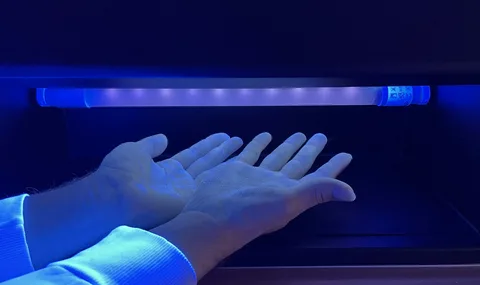
Blacklight inspections help reveal possible organic residue, moisture staining, and environmental irregularities that may not be clearly visible under normal lighting conditions. Specialized ultraviolet lighting equipment is used throughout the inspection process to help identify suspicious areas requiring closer evaluation. A detailed blacklight mold inspection may assist in locating hidden moisture patterns, biological buildup, or surface concerns associated with indoor environmental conditions that may otherwise remain unnoticed during standard visual inspections.
The inspection process includes examining walls, ceilings, flooring, bathrooms, HVAC areas, closets, and other locations vulnerable to moisture accumulation or hidden contamination. Blacklight technology provides additional visual support during inspections while contributing to a more complete assessment of the property. This inspection method helps improve visibility of potential concerns and supports a more organized evaluation process for residential environments where moisture exposure may have occurred over time.
Thermal Imaging
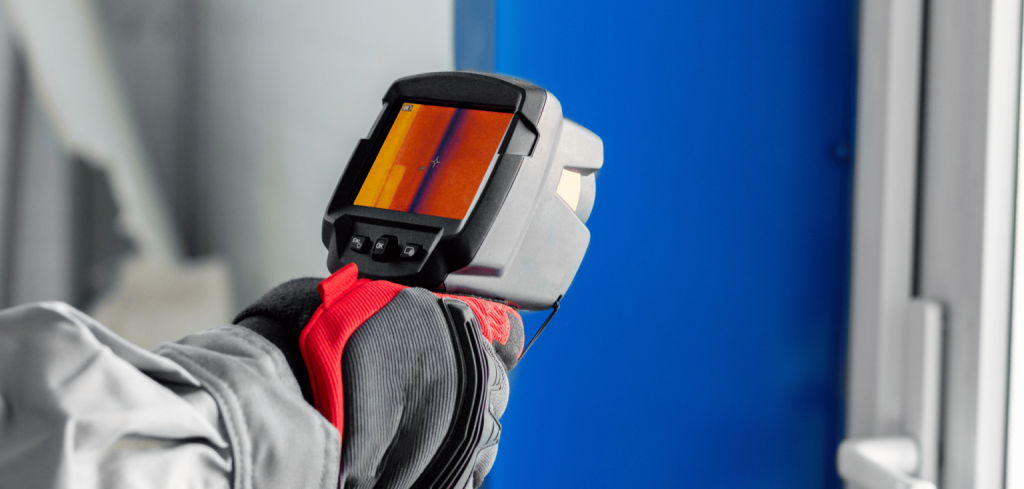
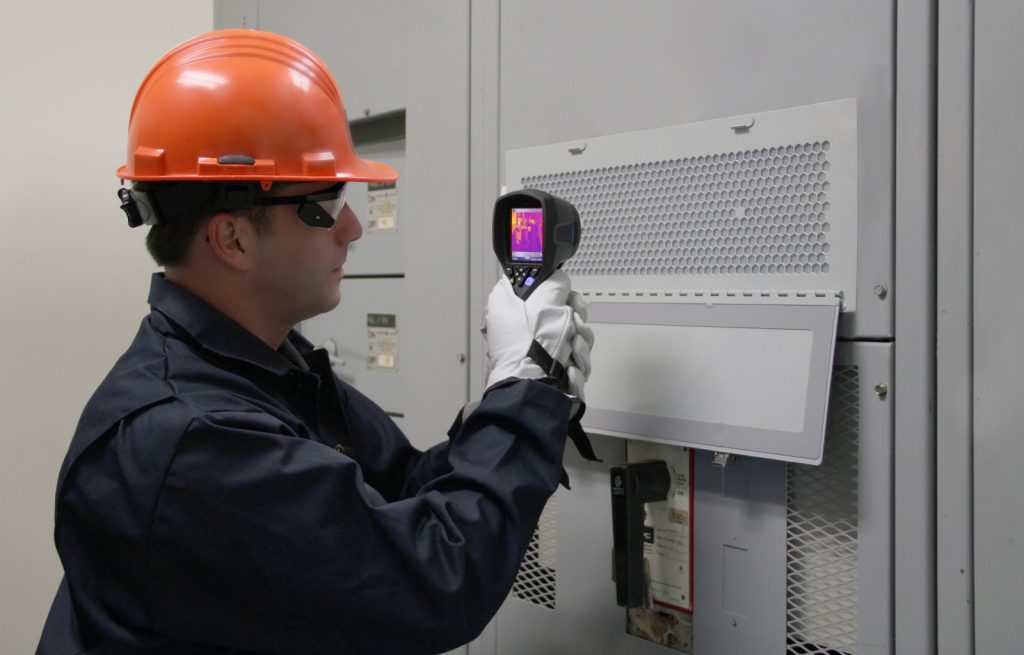
Thermal imaging inspections use infrared technology to identify unusual temperature patterns behind walls, ceilings, and building materials that may indicate hidden moisture intrusion or ventilation concerns. Professional thermal imaging mold inspection procedures allow inspectors to evaluate potential problem areas without damaging the property or opening structural materials. Thermal cameras help reveal hidden conditions that are difficult to detect during standard visual inspections and support a more comprehensive environmental evaluation.
Infrared evaluations also support thermal moisture detection California property owners may need when investigating suspected water intrusion, humidity buildup, roof leaks, plumbing concerns, or concealed moisture conditions. Temperature differences identified through thermal imaging may suggest moisture accumulation, airflow irregularities, insulation deficiencies, or concealed environmental concerns affecting indoor air quality. This technology provides valuable support for comprehensive residential mold inspections while helping identify areas that may require additional testing or monitoring.
Moisture Readings
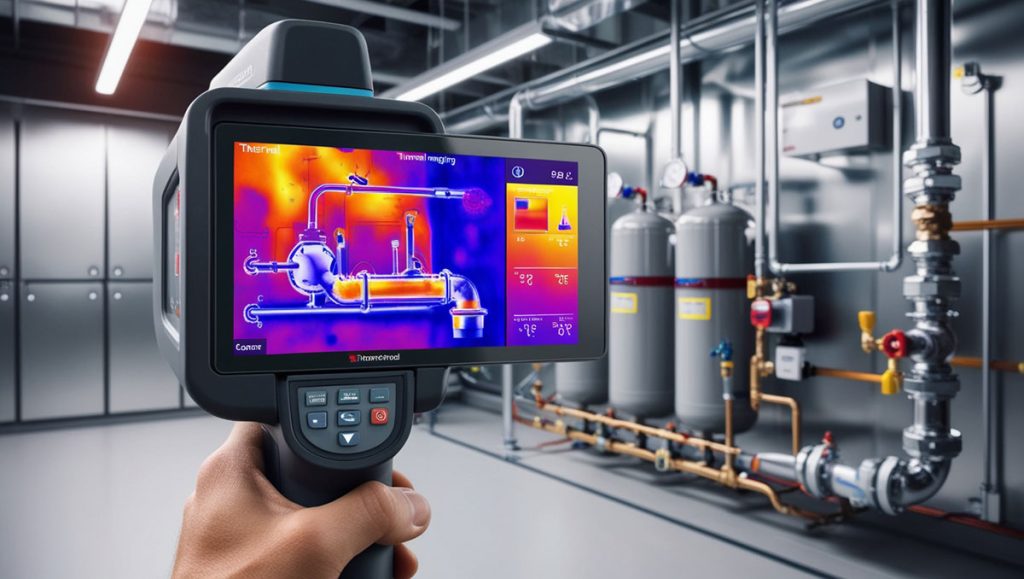
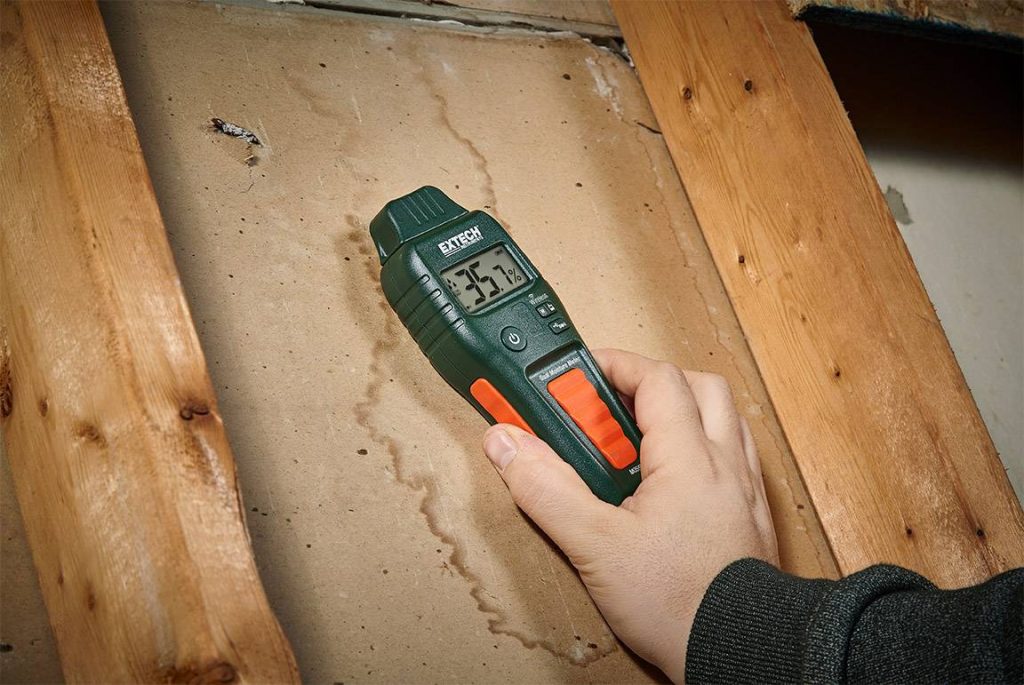
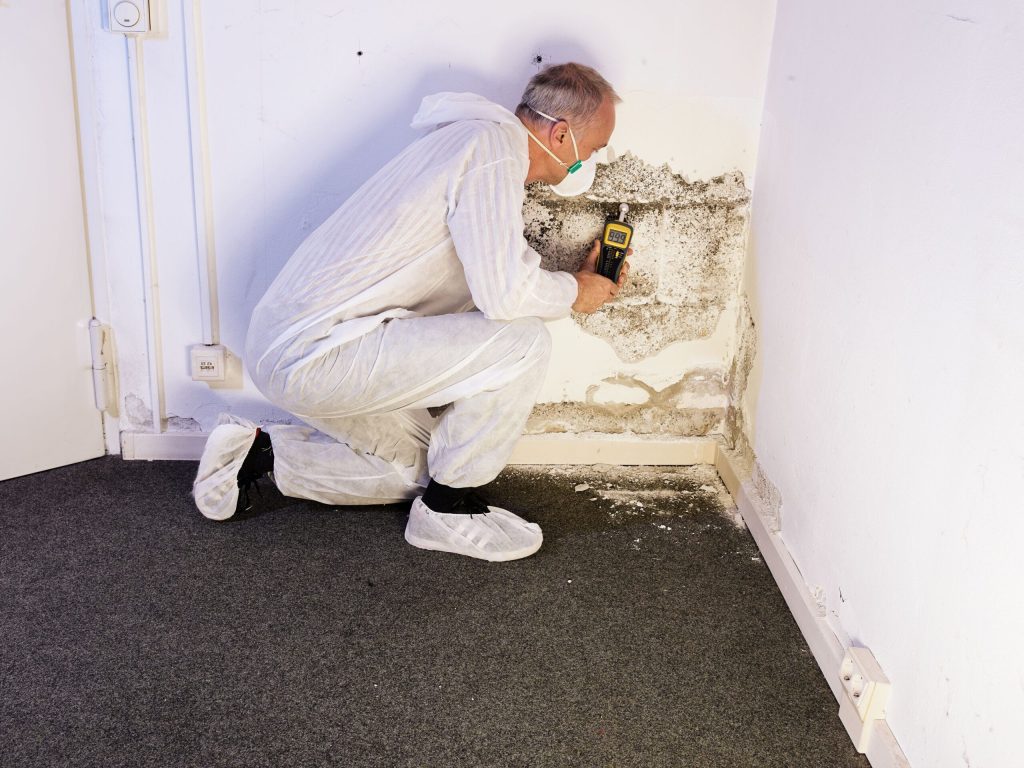
Moisture reading inspections are performed to evaluate building materials and surfaces for elevated moisture levels that may contribute to mold growth or structural concerns. Specialized moisture meters are used to assess walls, ceilings, flooring, trim, cabinetry, and other areas where hidden dampness may exist. Accurate moisture detection plays an important role in identifying conditions that support microbial growth inside residential properties and helps provide a clearer understanding of indoor environmental conditions.
Detailed moisture reading inspection services help clients better understand possible water intrusion patterns, humidity concerns, condensation buildup, or concealed leaks throughout the home. Elevated moisture levels are often linked to ongoing environmental issues that may worsen if left unaddressed over time. Identifying moisture concerns early may help property owners make more informed decisions regarding maintenance, repairs, environmental monitoring, and protecting the long-term condition of their living spaces.
Air Flow Measuring
Air flow measuring services help evaluate ventilation performance and indoor air circulation throughout residential properties. Proper airflow is important for maintaining balanced humidity levels and reducing conditions that may contribute to moisture buildup or stagnant indoor environments. Professional airflow measuring services are commonly used to assess ventilation conditions in bathrooms, kitchens, attics, crawl spaces, basements, laundry rooms, and other enclosed areas vulnerable to excess humidity.
Clients seeking indoor airflow testing California inspection services may benefit from evaluations focused on identifying restricted ventilation, uneven air circulation, or areas vulnerable to excess humidity retention. Poor airflow conditions may contribute to condensation, trapped moisture, indoor discomfort, and environmental conditions favorable for biological growth. These assessments provide additional information that supports a more complete understanding of the property’s environmental conditions and overall indoor air circulation performance.
Temperature Measuring
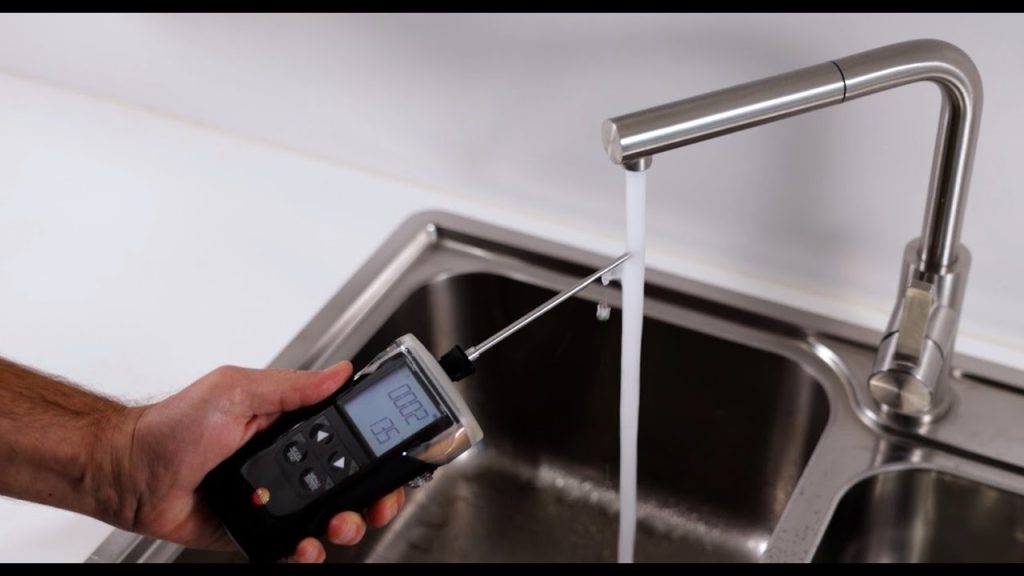
Temperature measuring inspections help identify unusual indoor temperature variations that may suggest hidden moisture concerns, insulation issues, or airflow irregularities throughout the property. Consistent environmental monitoring allows inspectors to better evaluate indoor conditions that may influence humidity levels, moisture retention, and biological growth risks. Professional temperature measuring inspection procedures contribute important supporting information during residential environmental evaluations and moisture investigations.
Residential temperature testing California homeowners request is especially useful when investigating areas affected by water damage history, uneven indoor comfort, ventilation concerns, or suspected hidden moisture conditions. Temperature readings collected throughout the inspection process help identify locations requiring closer attention while supporting a more detailed analysis of environmental conditions inside the home. These measurements contribute valuable supporting data that strengthens the overall inspection findings and reporting process.
Air Sampling
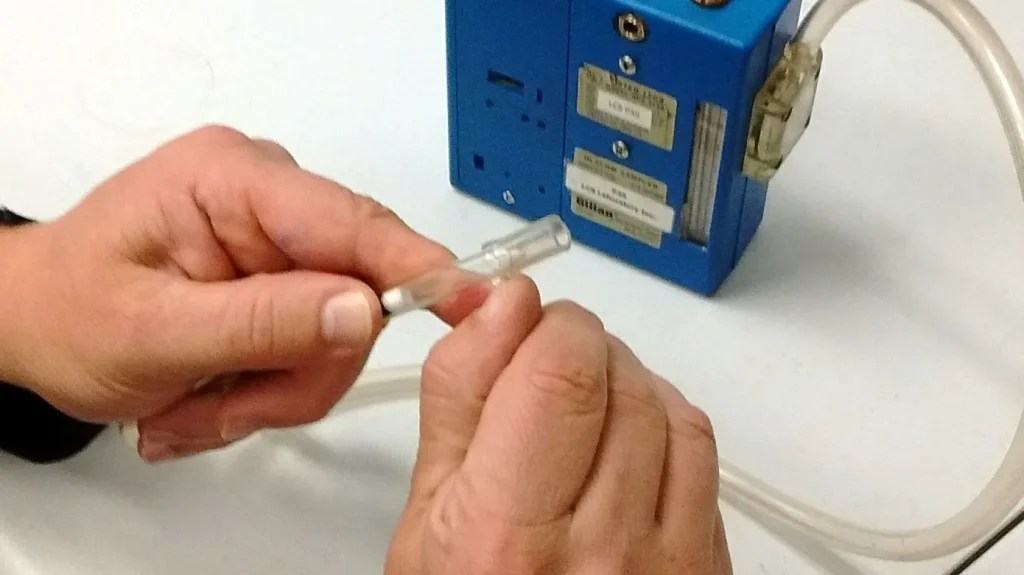
Air sampling services help evaluate airborne environmental conditions within residential spaces by collecting indoor air samples for professional laboratory analysis. Mold air sampling may assist in identifying airborne mold spores or other environmental particles that could affect indoor air quality and occupant comfort. These services are commonly requested when homeowners experience unexplained odors, respiratory irritation, allergy-like symptoms, moisture concerns, or suspected hidden mold conditions that are difficult to visually confirm.
Air samples are carefully collected from selected indoor areas and may include outdoor comparison samples when appropriate to help evaluate environmental differences. The collected specimens are submitted to qualified laboratories for analysis and documentation. Laboratory findings help provide additional insight into environmental conditions present within the property while supporting more informed decision-making regarding potential next steps, remediation considerations, or additional environmental evaluations.
Mold Strip Testing
Mold strip testing involves collecting surface specimens from visible staining, discoloration, or suspected biological growth areas throughout the property. Specialized collection materials are used to gather samples without causing unnecessary disruption to the affected surfaces. These tests help provide additional information regarding possible mold-related concerns inside residential environments while supporting a more detailed environmental assessment process.
The testing process supports investigations involving recurring moisture exposure, suspicious wall or ceiling discoloration, visible environmental irregularities, or areas where biological growth is suspected. Samples collected during mold strip testing are professionally analyzed to help identify biological findings and environmental conditions associated with the inspected areas. This process contributes additional clarity, documentation, and supporting information to the overall inspection results and written reporting provided to clients.
Laboratory Specimen Test Results
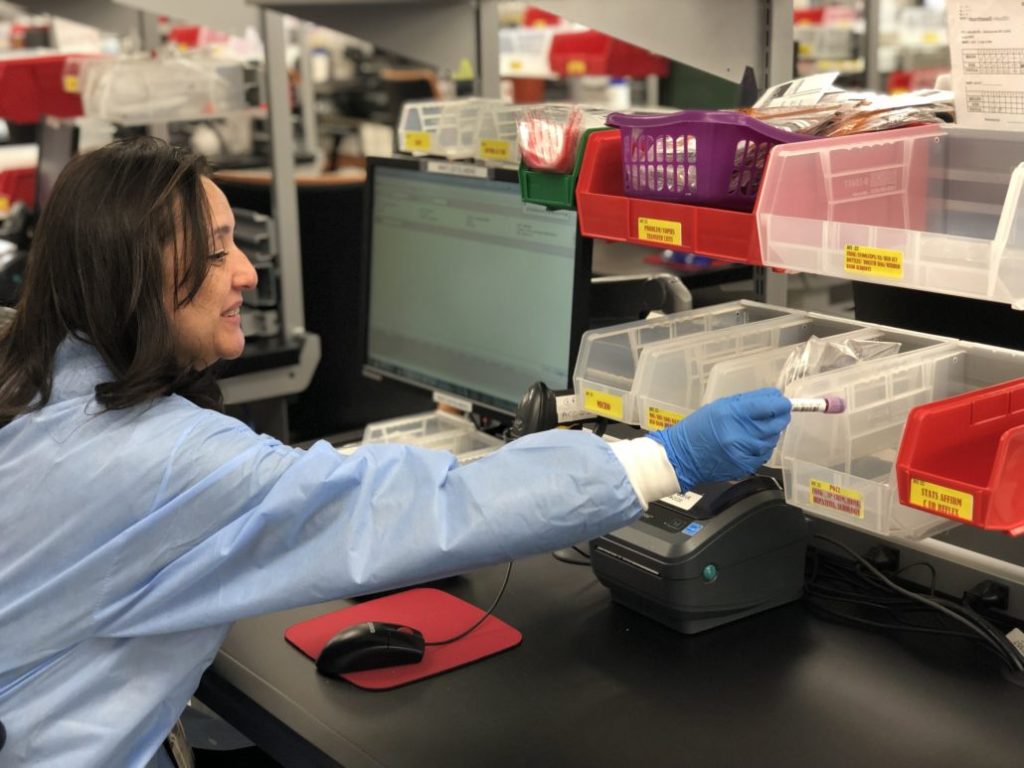
Laboratory specimen testing provides professionally analyzed results based on air samples, strip samples, or other environmental specimens collected during the inspection process. Mold laboratory testing helps support accurate documentation of indoor environmental findings while offering additional clarity regarding potential biological conditions inside residential spaces. Independent analysis provides valuable support for organized reporting, environmental evaluations, and understanding the overall condition of the property.
Clients receiving certified mold lab results California inspections provide gain structured documentation outlining analytical findings associated with submitted specimens. Laboratory-backed reports help homeowners, renters, and property buyers better understand environmental conditions identified during testing and inspection procedures. These findings may also support additional professional consultations, property discussions, maintenance planning, or future environmental decisions when necessary.

Written Reports
Written mold inspection reports provide organized summaries of inspection observations, moisture readings, thermal imaging findings, laboratory results, and additional environmental information collected throughout the evaluation process. The reporting system is designed to present findings clearly and professionally so clients can better understand potential concerns identified within the property. Reports are structured to help simplify environmental information while maintaining detailed documentation of inspection findings.
Each report focuses on readability, transparency, and practical information rather than overly complicated technical explanations. Clients receive structured documentation that may assist with maintenance decisions, future inspections, property discussions, environmental evaluations, or additional professional consultations if needed. Detailed mold inspection reports help provide valuable reference material while supporting informed decision-making regarding indoor residential conditions and potential environmental concerns.