Effects Of Molds
How Mold Can Affect Indoor Air Quality
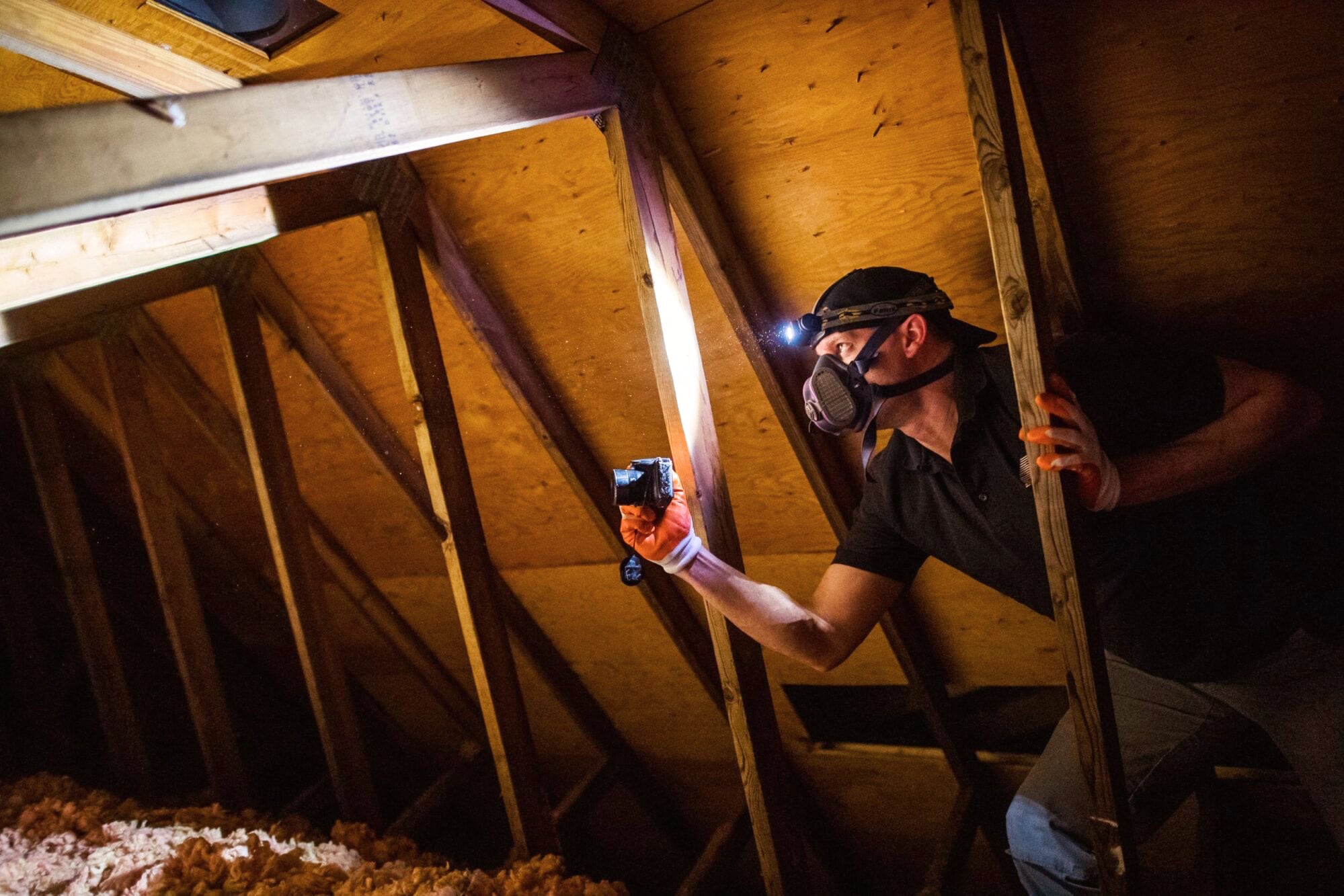
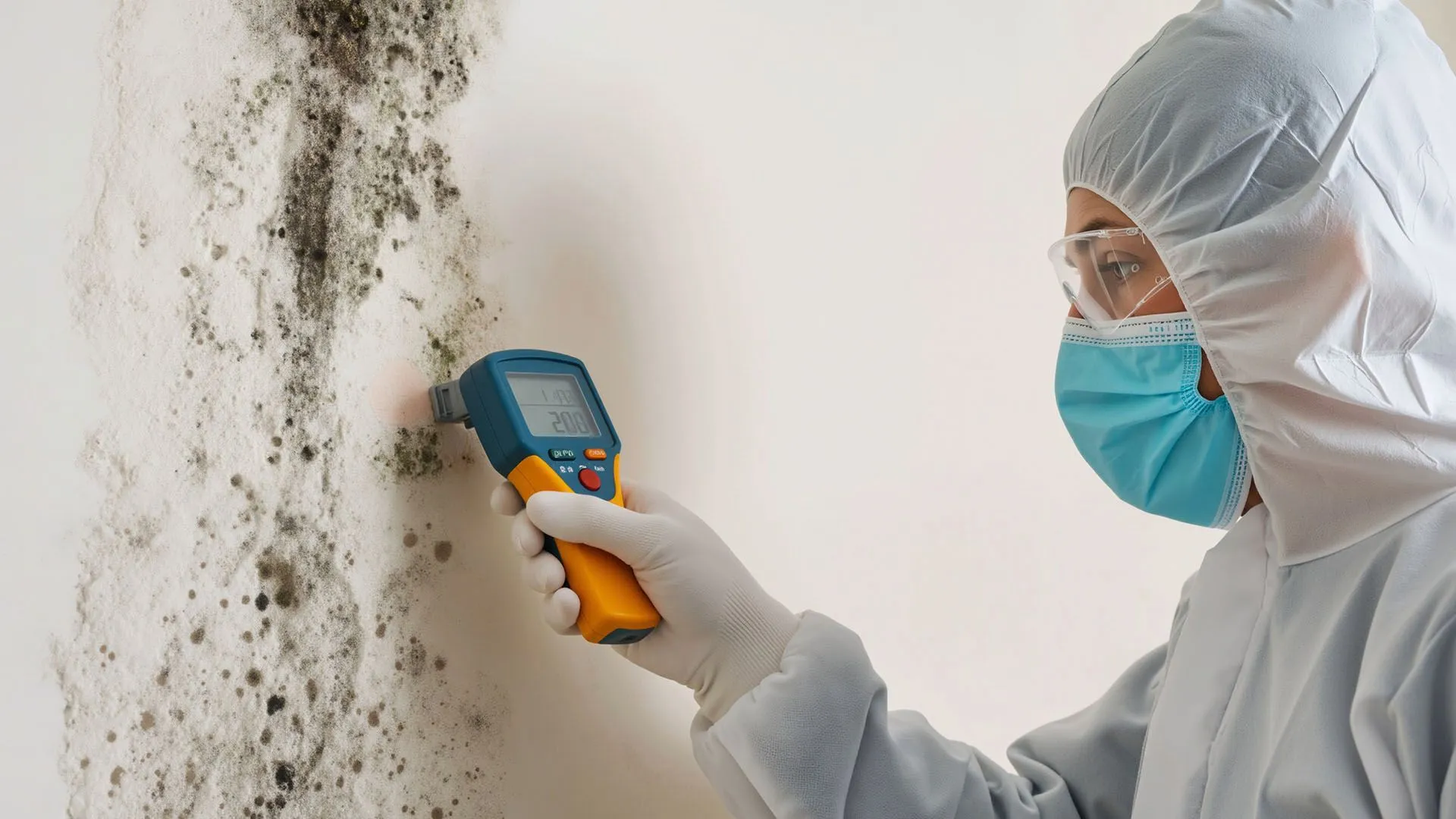
Mold growth inside residential environments may negatively impact overall indoor air quality, especially when moisture problems remain unresolved for extended periods. Mold spores can circulate through the air and settle throughout different areas of the home, including walls, ceilings, carpets, furniture, HVAC systems, and ventilation pathways. Even when visible mold is not immediately present, hidden moisture conditions may still contribute to poor indoor environmental quality and uncomfortable living conditions for occupants.
Indoor air quality concerns associated with mold exposure often become more noticeable in enclosed areas with limited airflow, excessive humidity, or water intrusion history. Damp conditions may allow biological growth to continue spreading unnoticed behind walls, beneath flooring, or inside insulation materials. Professional inspections help provide better clarity regarding environmental conditions that may affect indoor comfort and overall living environments.
Common Indoor Air Quality Concerns
- Musty or damp indoor odors
- Increased indoor humidity levels
- Poor ventilation circulation
- Lingering moisture buildup
- Airborne environmental particles
Respiratory And Allergy-Related Concerns
Exposure to mold-contaminated environments may contribute to respiratory discomfort and allergy-like symptoms for some individuals. Mold spores and moisture-related environmental particles can sometimes irritate the respiratory system, particularly in sensitive individuals or those spending extended periods inside affected properties. Common concerns may include coughing, sneezing, throat irritation, nasal congestion, sinus discomfort, watery eyes, or increased indoor sensitivity.
The severity of environmental reactions may vary depending on the individual, duration of exposure, indoor moisture levels, and the extent of biological growth within the property. Some occupants may notice symptoms becoming more noticeable while indoors and improving after leaving the environment. Identifying possible moisture intrusion or mold-related conditions early may help property owners better understand environmental concerns affecting their indoor spaces.
Possible Environmental Reactions
- Sneezing and coughing
- Nasal and throat irritation
- Indoor breathing discomfort
- Watery or irritated eyes
- Increased environmental sensitivity
WHO MAY BE MORE SENSITIVE?
Hidden Moisture Can Lead To Long-Term Problems
One of the most significant concerns involving mold development is the presence of hidden moisture inside residential structures. Water intrusion from roof leaks, plumbing failures, condensation buildup, poor ventilation, or elevated indoor humidity can create conditions favorable for biological growth. When moisture remains trapped behind walls, beneath flooring, or inside ceilings, mold may continue developing unnoticed for extended periods of time.
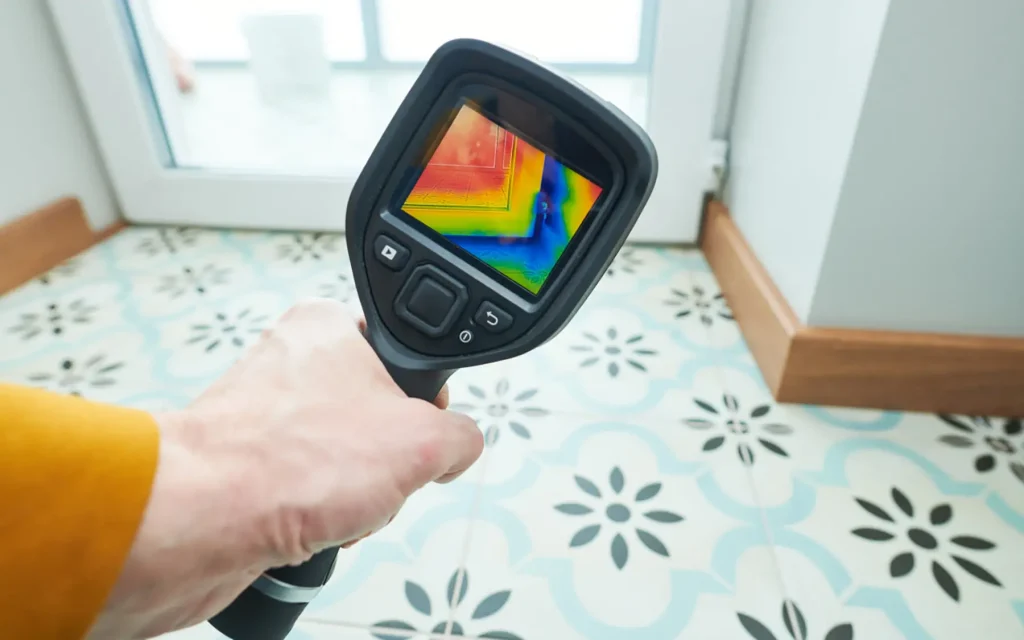
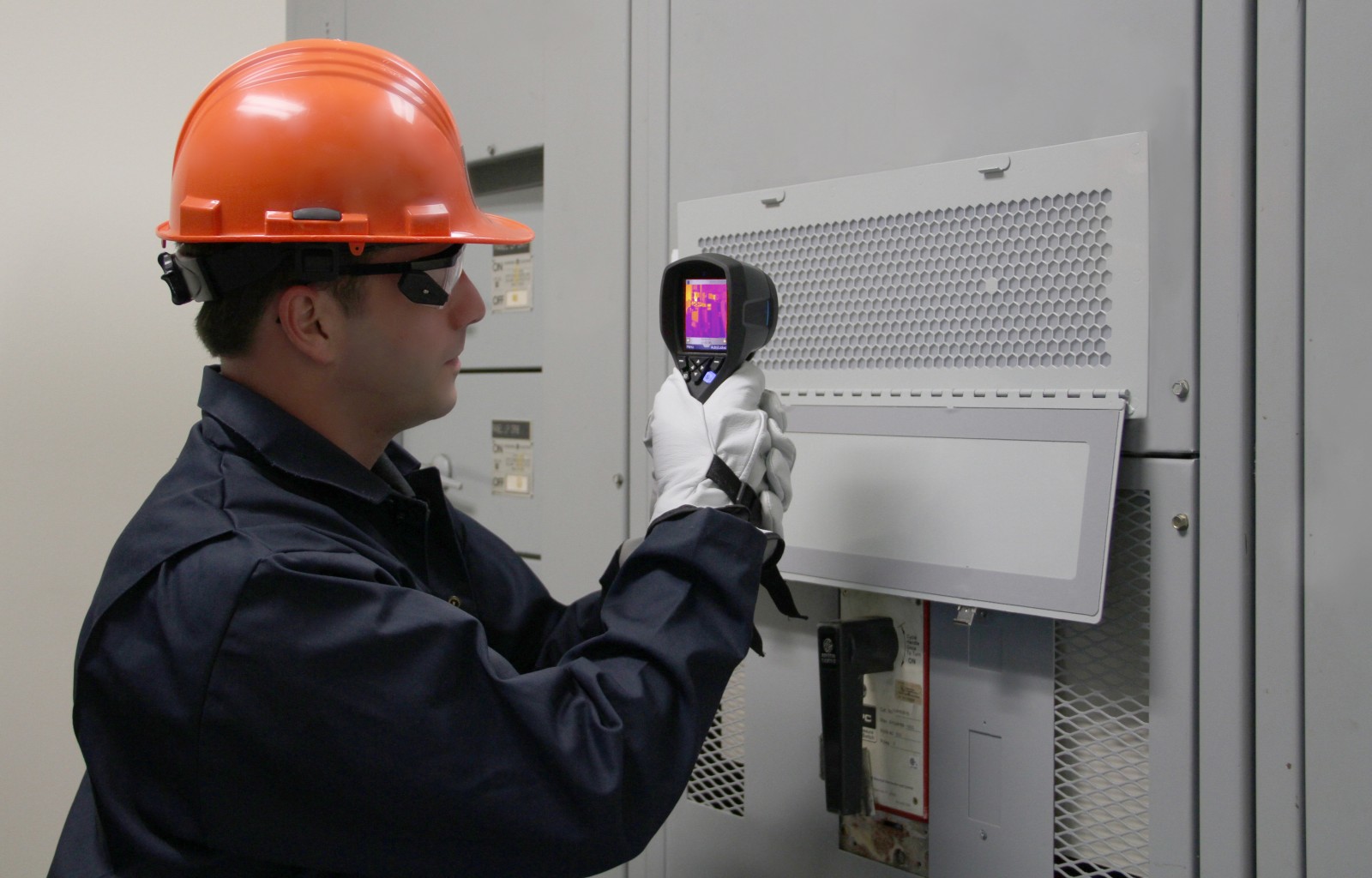
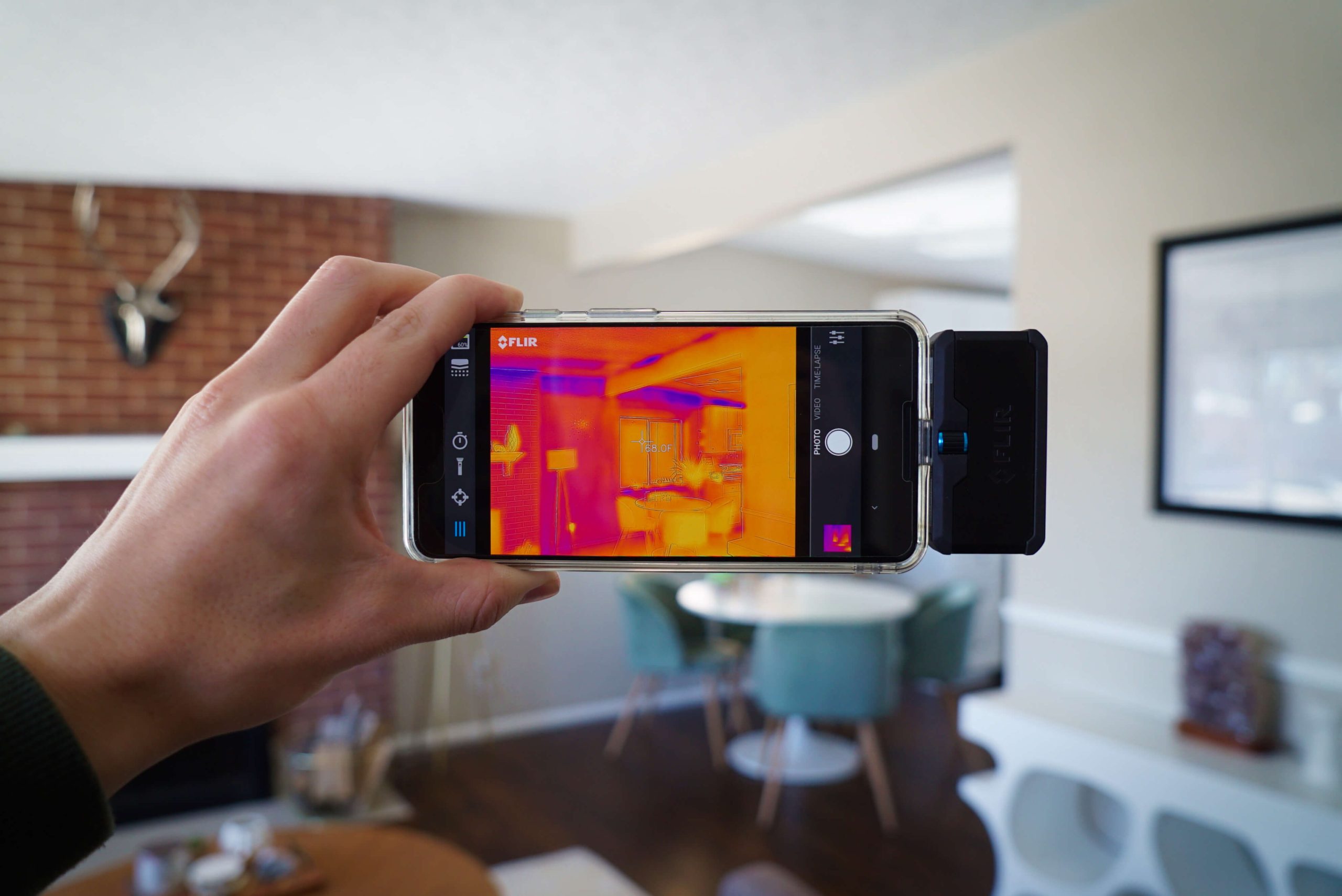
Hidden moisture problems may also contribute to staining, material deterioration, unpleasant odors, weakened structural components, and ongoing indoor environmental concerns. Since many moisture-related issues develop gradually, homeowners and renters may not immediately recognize the source of the problem. Non-invasive inspection methods, thermal imaging evaluations, moisture readings, and airflow assessments help provide additional clarity regarding concealed environmental conditions throughout the property.
Areas Commonly Affected By Hidden Moisture
- Bathrooms and laundry rooms
- Attics and crawl spaces
- Under sinks and plumbing areas
- Ceiling and wall cavities
- HVAC and ventilation systems
Mold Exposure May Impact Daily Comfort
Living in environments affected by moisture intrusion or mold-related conditions may influence overall indoor comfort and day-to-day living experiences. Persistent damp odors, excessive humidity, visible staining, condensation buildup, or uncomfortable air conditions can create frustration and uncertainty for occupants. In some situations, recurring environmental concerns may also interfere with sleep quality, concentration, or general comfort inside the home.
Individuals who spend large amounts of time indoors may become increasingly aware of environmental discomfort caused by poor ventilation or unresolved moisture conditions. Areas such as bathrooms, kitchens, attics, crawl spaces, laundry rooms, and poorly ventilated rooms are often more vulnerable to moisture accumulation. Understanding the environmental conditions within a property may help occupants make more informed decisions regarding maintenance, repairs, and indoor environmental improvements.
Why Early Mold Inspections Matter
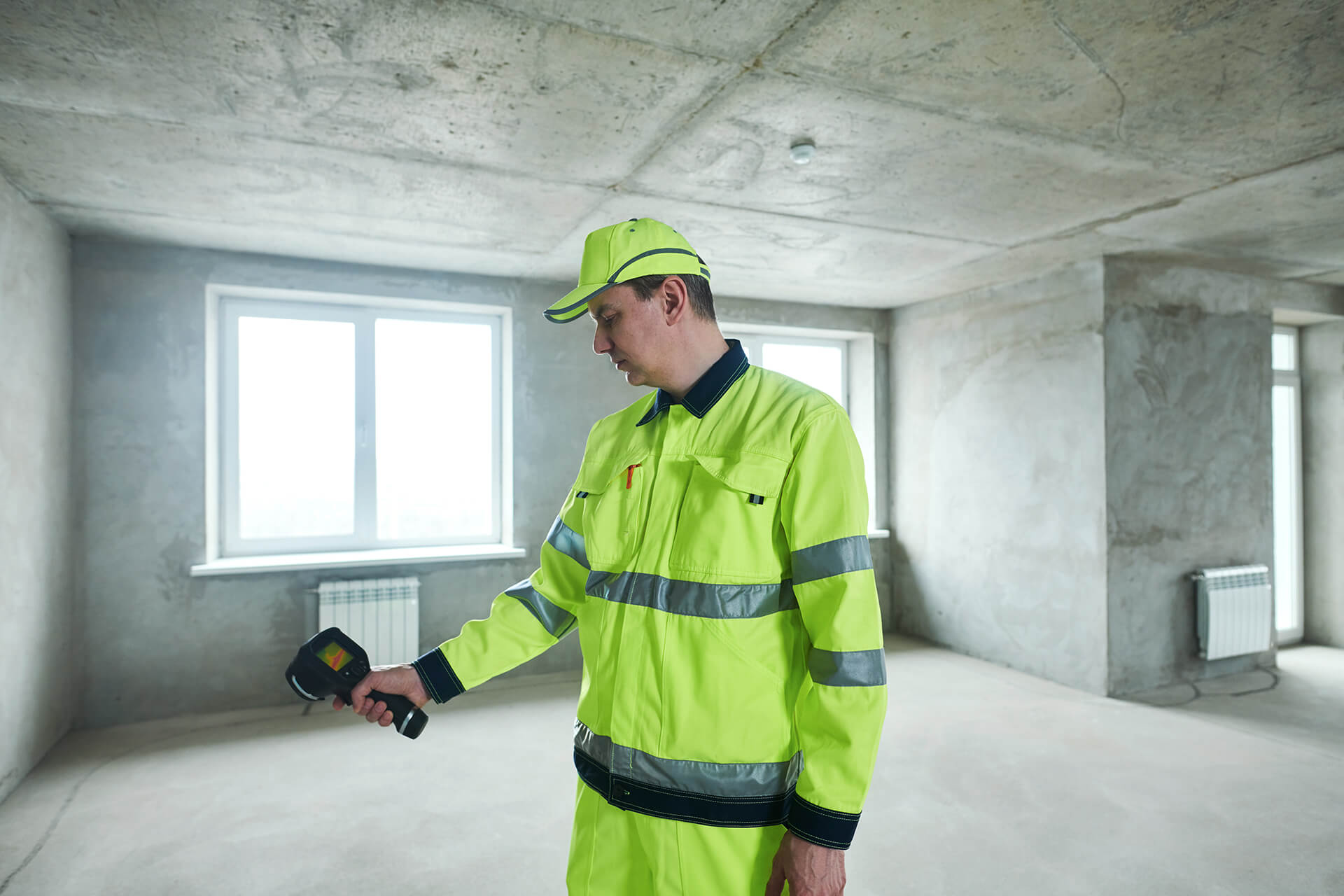
Early mold inspections help identify possible moisture and environmental concerns before conditions become more widespread or difficult to manage. Many residential mold issues begin with small hidden moisture sources that gradually expand over time if left unaddressed. Professional inspections provide valuable information regarding airflow conditions, moisture levels, thermal irregularities, air quality concerns, and visible environmental indicators throughout the property.
Detailed inspections and organized reporting help homeowners, renters, and property buyers better understand indoor environmental conditions while supporting informed decision-making. Early identification of potential concerns may help reduce uncertainty, support maintenance planning, and improve awareness regarding hidden moisture conditions inside residential environments. Non-invasive inspections provide an effective way to evaluate environmental concerns while minimizing unnecessary disruption to the property.
Benefits Of Early Inspections
- Improved environmental awareness
- Earlier moisture detection
- Better maintenance planning
- Reduced uncertainty for occupants
- Clearer understanding of indoor conditions