Homeowners Want Answers Without Property Damage
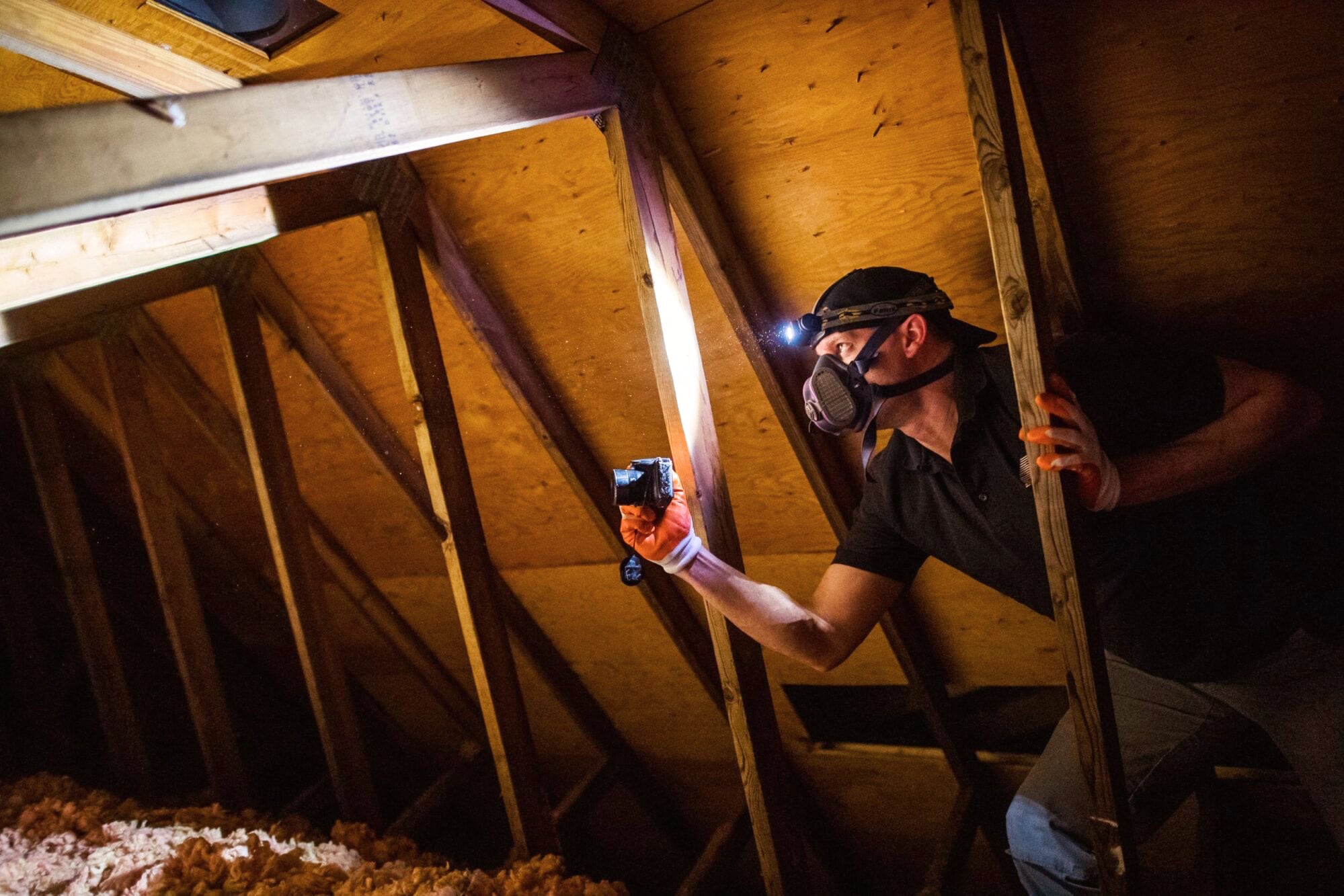
Many homeowners worry about hidden moisture or mold-related concerns inside their properties but hesitate to schedule inspections because they fear unnecessary wall removal or destructive testing procedures. Non-invasive mold inspections provide an alternative approach that allows inspectors to evaluate environmental conditions using advanced tools and professional assessment methods without causing avoidable structural disruption. This inspection approach helps homeowners gain better environmental clarity while preserving the condition of their property during the evaluation process.
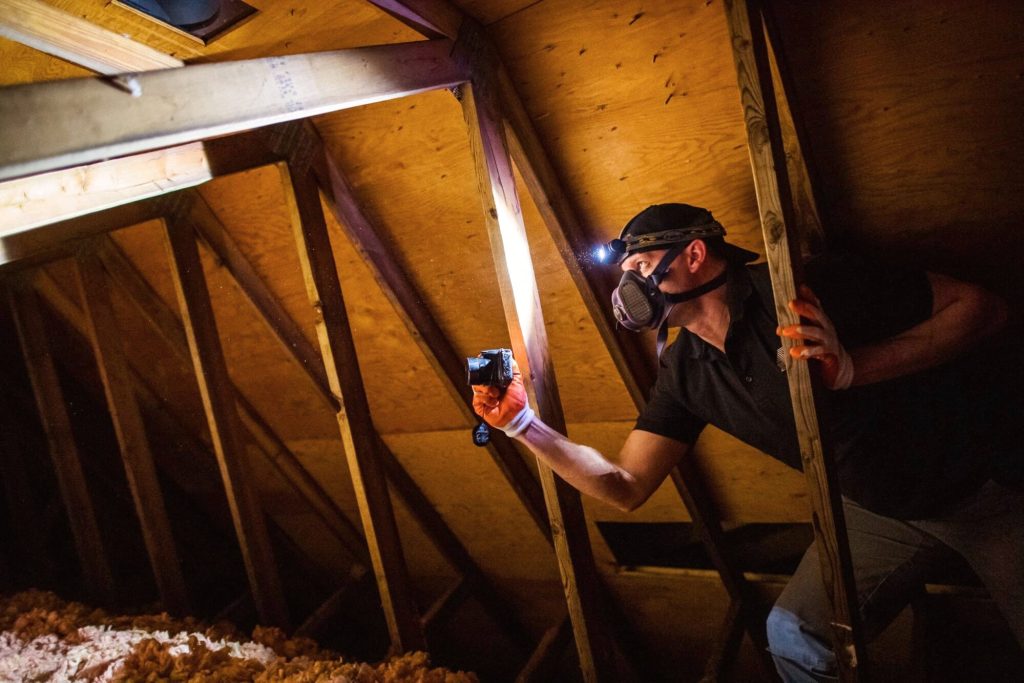
Thermal imaging cameras, moisture meters, airflow measuring devices, blacklights, temperature evaluations, and air sampling equipment all help inspectors gather important environmental information throughout residential properties. These inspection methods support organized environmental evaluations while preserving walls, flooring, ceilings, and structural materials. Homeowners benefit from professional insight regarding indoor conditions without worrying about unnecessary damage or invasive inspection procedures.
Thermal Imaging Technology Improves Inspection Accuracy
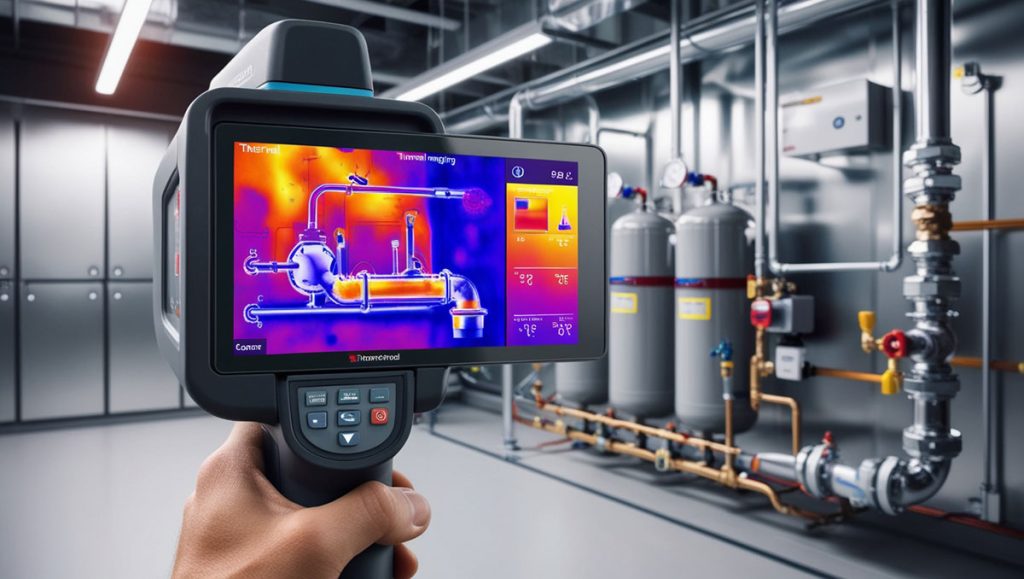
Thermal imaging has become one of the most valuable tools used during non-invasive residential mold inspections. Infrared cameras detect unusual surface temperature differences that may indicate hidden moisture intrusion, airflow irregularities, insulation deficiencies, or concealed water damage inside walls and ceilings. These conditions are often difficult to identify during standard visual inspections alone, especially when moisture remains trapped behind finished surfaces.
Thermal imaging evaluations help inspectors focus additional attention on areas showing environmental irregularities during the assessment process. While thermal imaging does not directly confirm mold presence, it provides valuable supporting information that may help identify conditions favorable for moisture retention or biological growth inside the property. This technology also helps inspectors perform more efficient evaluations while reducing the need for unnecessary exploratory damage during inspections.
Indoor Airflow Conditions Matter More Than Many Realize
Poor indoor airflow often contributes to elevated humidity levels and moisture retention inside residential properties. Areas with restricted ventilation may trap humid air and create conditions that support ongoing environmental concerns over time. Bathrooms, laundry rooms, attics, crawl spaces, closets, and poorly ventilated rooms are especially vulnerable to stagnant airflow conditions that may increase moisture buildup within the property.
Airflow evaluations help identify areas where ventilation performance may be insufficient for maintaining balanced indoor environmental conditions. Understanding airflow patterns throughout the property helps homeowners recognize how humidity, moisture retention, and ventilation problems may contribute to long-term environmental concerns. Improved airflow awareness may also help property owners make better decisions regarding ventilation improvements, maintenance planning, and moisture prevention strategies.
Moisture Readings Help Detect Hidden Problems
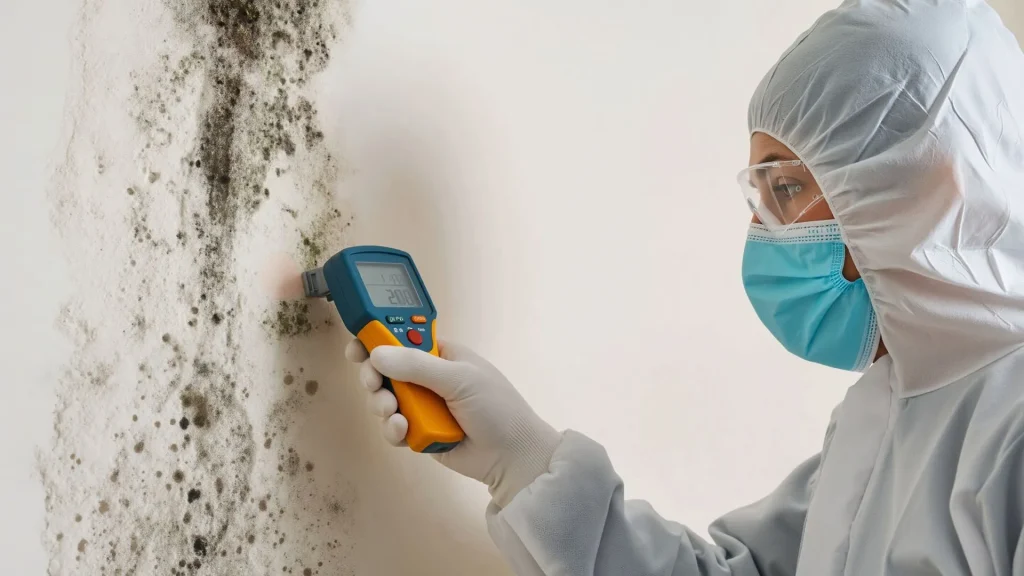
Moisture readings are an important part of non-invasive mold inspections because elevated moisture often develops before visible damage appears. Specialized moisture meters help inspectors evaluate walls, ceilings, flooring, cabinetry, and other materials for possible hidden leaks, humidity buildup, or concealed water intrusion. Early moisture detection helps provide homeowners with valuable environmental insight before conditions become more serious or widespread inside the property.
Many moisture concerns remain unnoticed for long periods because water intrusion may slowly develop behind finished surfaces. Moisture evaluations support organized inspections while helping clients better understand possible environmental conditions affecting residential properties and indoor air quality. Identifying moisture problems earlier may also help reduce future repair costs and ongoing environmental complications.
Detailed Environmental Reporting Provides Valuable Documentation
One of the biggest advantages of professional mold inspections is receiving organized documentation outlining environmental findings throughout the property. Detailed reports provide homeowners, renters, property buyers, and real estate professionals with valuable information regarding moisture conditions, ventilation concerns, laboratory findings, and inspection observations collected during the evaluation process. Organized documentation helps simplify environmental information while improving understanding of residential conditions.
Well-structured reporting may also assist clients during future maintenance planning, remediation discussions, insurance conversations, or additional environmental evaluations if concerns continue developing later. Clear inspection reports provide helpful reference material while supporting more informed decision-making regarding indoor environmental conditions inside residential properties.
Non-Invasive Inspections Support Better Property Decisions
Property buyers often want additional environmental clarity before making major real estate decisions. Non-invasive mold inspections help evaluate indoor moisture conditions, ventilation concerns, airflow performance, and possible hidden environmental issues without unnecessary structural disruption. These inspections provide valuable information that may not always be visible during standard property walkthroughs or basic home evaluations.
Detailed reporting helps homeowners, buyers, renters, and property professionals better understand inspection findings while supporting informed property decisions. Organized environmental evaluations help reduce uncertainty and provide greater confidence regarding residential indoor conditions before purchasing, leasing, or occupying a property.
Residential Mold Inspections Help Support Peace Of Mind
Indoor environmental concerns often create stress and uncertainty for homeowners unsure about the condition of their living spaces. Non-invasive residential mold inspections help provide additional clarity regarding possible moisture, ventilation, and environmental issues affecting indoor properties. Understanding existing conditions allows homeowners to make more informed decisions regarding maintenance, repairs, environmental monitoring, and long-term property care.
Professional inspections are designed to support awareness rather than fear. Organized evaluations, fair pricing, detailed reporting, and honest environmental information help clients feel more confident about understanding their residential environments and addressing potential concerns appropriately. Gaining environmental clarity often provides reassurance and helps property owners move forward with greater confidence regarding their indoor living conditions.