Residential Mold Inspections Provide Environmental Clarity
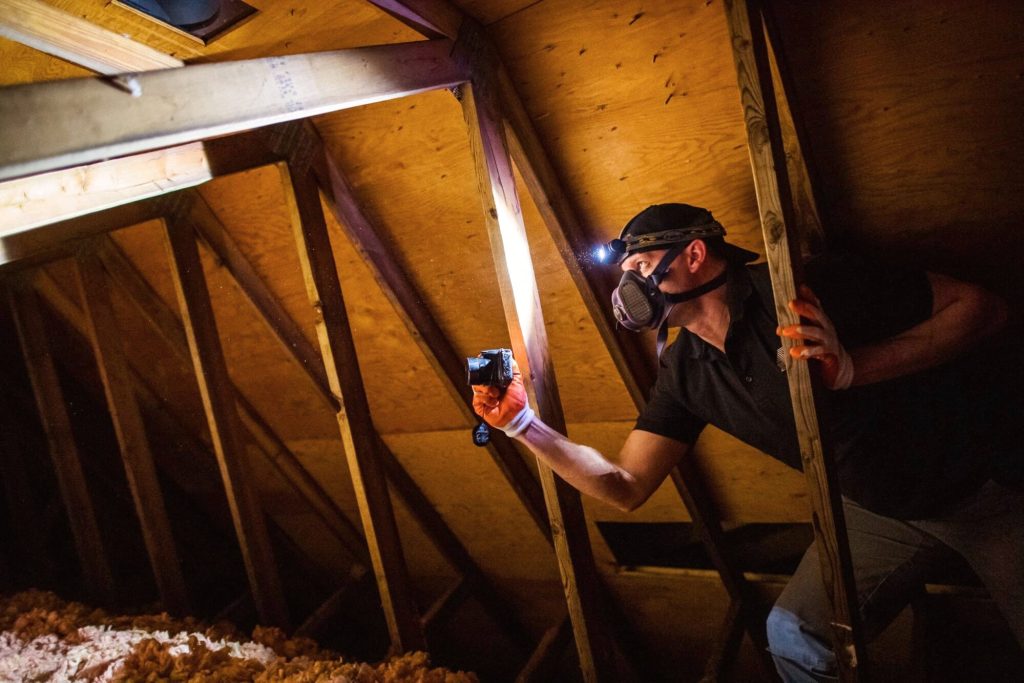
Buying, renting, or maintaining a home often involves concerns about hidden moisture, indoor air quality, and environmental conditions that may not be visible during a routine walkthrough. Residential mold inspections help provide additional clarity regarding conditions inside the property through non-invasive environmental evaluations and specialized inspection technology. These inspections support homeowners, renters, and property buyers by identifying possible concerns that could otherwise remain unnoticed for long periods of time.
Professional inspections focus on evaluating visible conditions, hidden moisture concerns, ventilation performance, temperature variations, and possible airborne environmental particles. The information collected during the inspection process helps clients make more informed decisions regarding repairs, maintenance planning, property purchases, or environmental monitoring. Organized reporting also provides valuable documentation regarding current residential conditions while helping simplify complex environmental information for clients.
Moisture Readings Help Identify Hidden Dampness
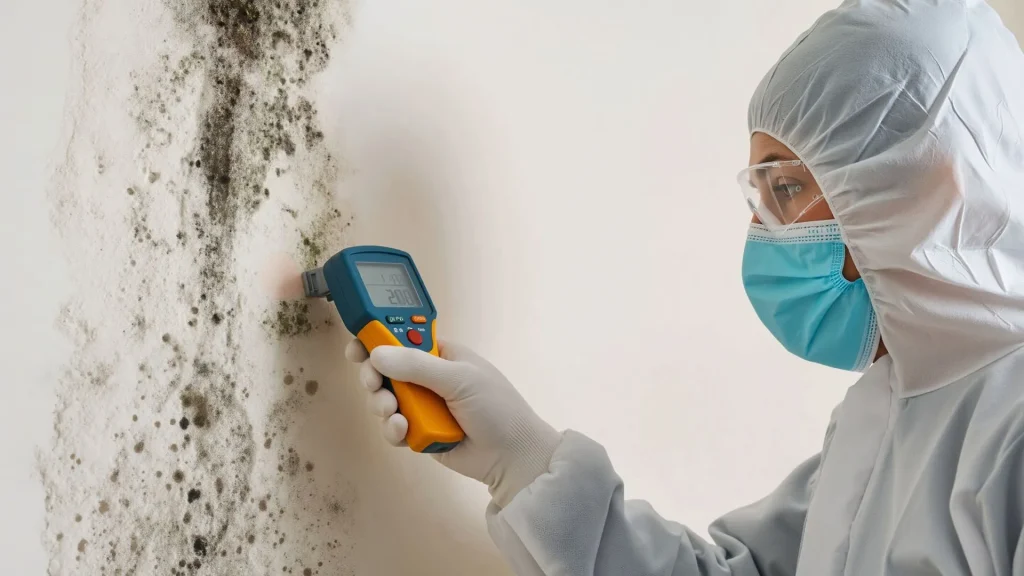
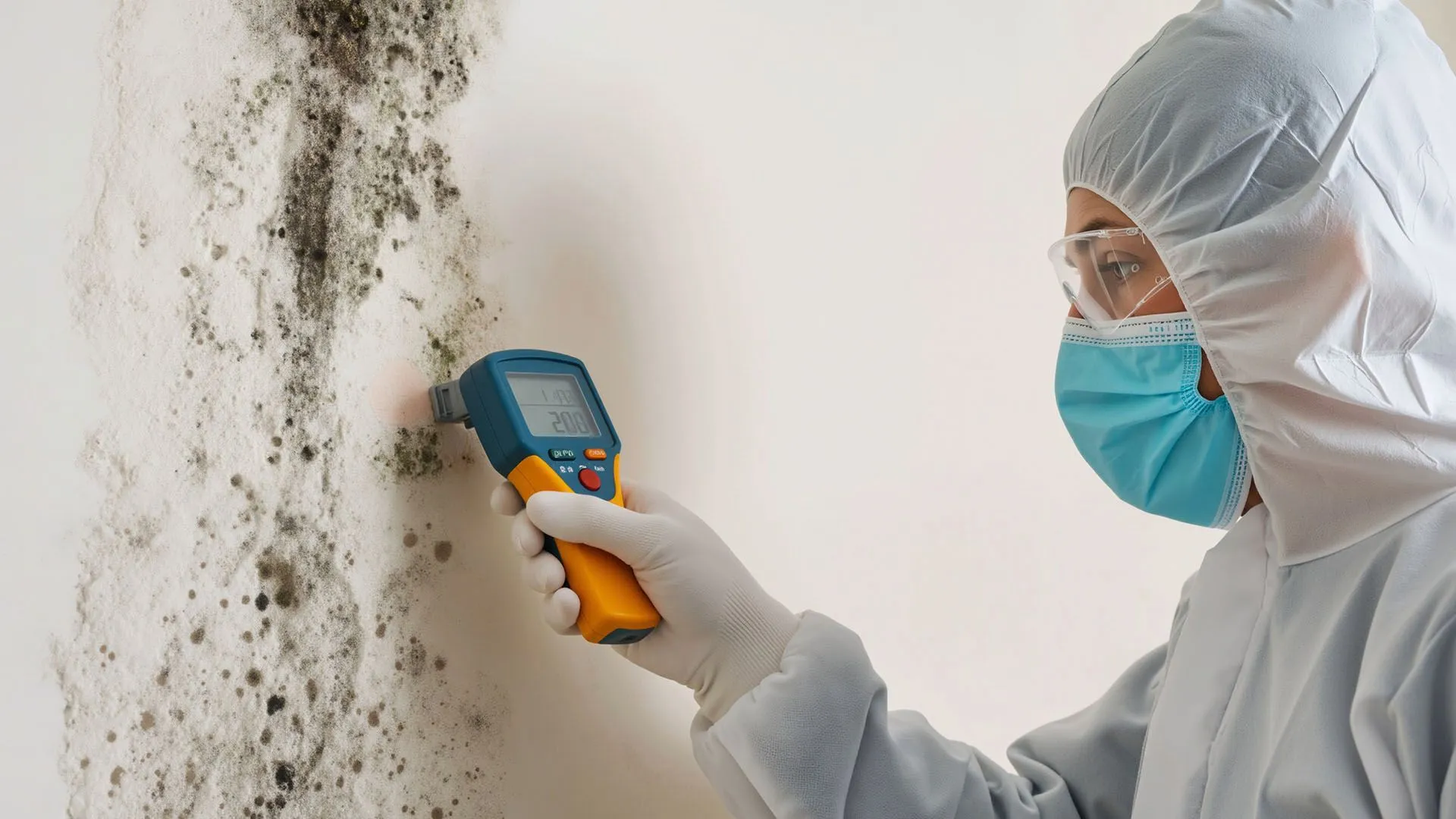
Excess moisture is one of the most common factors associated with indoor mold development. Moisture reading inspections evaluate building materials and surfaces for elevated moisture levels that may indicate leaks, humidity concerns, or concealed water intrusion. Specialized moisture meters are used throughout the property to assess walls, flooring, ceilings, cabinetry, insulation areas, and other vulnerable locations where moisture may remain trapped without visible warning signs.
Many homeowners are surprised to discover elevated moisture levels in areas without visible damage. Condensation buildup, small plumbing leaks, roof issues, poor ventilation, or HVAC concerns may all contribute to hidden dampness over time. Moisture evaluations provide additional insight regarding environmental conditions affecting the long-term health of residential properties while helping identify areas that may require closer monitoring or future maintenance attention.
Air Sampling Provides Additional Environmental Insight
Air sampling services are often recommended when occupants experience unusual odors, allergy-like symptoms, or suspected hidden environmental concerns. Indoor air samples are carefully collected and submitted to professional laboratories for analysis. These evaluations may help identify airborne mold spores or other environmental particles affecting indoor air conditions and overall residential comfort.
Air sampling can be particularly useful when visible mold is not immediately present but environmental concerns still exist. Comparing indoor and outdoor environmental samples may also help inspectors better evaluate differences in indoor conditions. Laboratory-backed findings provide additional supporting information within the final inspection reporting process while helping homeowners better understand possible indoor environmental concerns affecting the property.
Thermal Imaging Supports More Thorough Evaluations
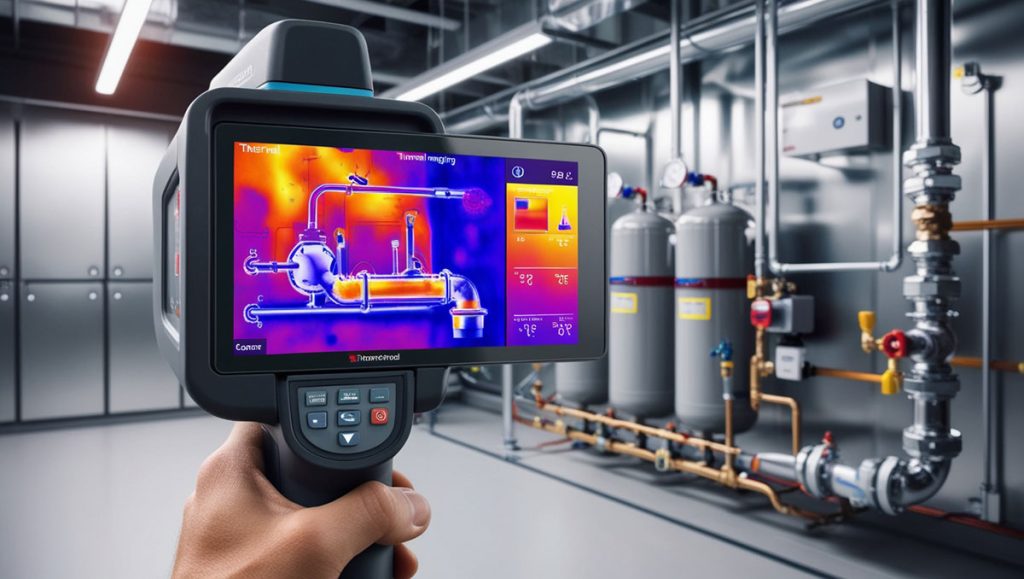
Thermal imaging technology plays an important role during non-invasive residential mold inspections because hidden moisture often develops behind finished surfaces where visual inspections alone may not reveal the problem. Infrared cameras help inspectors identify unusual temperature patterns that could suggest concealed water intrusion, airflow irregularities, insulation deficiencies, or moisture retention inside walls and ceilings.
Thermal imaging evaluations provide additional environmental insight without causing unnecessary disruption to the property. These inspections help inspectors focus closer attention on areas showing environmental irregularities while supporting a more complete understanding of residential conditions. Combining thermal imaging with moisture readings and airflow evaluations strengthens the overall inspection process and improves environmental awareness for property owners.
Detailed Reports Help Simplify Complex Findings
Many homeowners feel overwhelmed when trying to understand environmental inspection results without professional guidance. Written mold inspection reports help organize inspection findings into clear, structured documentation that is easier for clients to review and understand. Reports may include moisture readings, thermal imaging observations, airflow concerns, laboratory findings, environmental notes, and additional inspection information collected throughout the evaluation process.
Clear reporting helps property owners better understand environmental conditions identified throughout the inspection process without relying on confusing technical language alone. Organized documentation may also assist during maintenance planning, property discussions, insurance conversations, or future environmental evaluations when needed. Detailed reports provide valuable reference material that supports informed property decisions and environmental awareness.
Honest Inspections Support Better Decision-Making
One of the most important parts of professional residential mold inspections is transparency. Honest inspections focus on providing environmental information and organized reporting without unnecessary fear-based upselling or inflated recommendations. Homeowners deserve clear information regarding indoor conditions so they can make independent decisions based on accurate findings rather than pressure or confusion.
Professional non-invasive mold inspections help support greater peace of mind while providing better environmental understanding regarding residential properties. Whether preparing to purchase a home, investigate moisture concerns, address indoor comfort issues, or simply gain additional clarity, organized inspections help clients feel more informed and confident about their indoor environments and future property decisions.