Moisture Issues Often Remain Hidden For Long Periods
Many homeowners assume mold problems only exist when visible staining or strong odors appear inside the property. In reality, hidden moisture problems can develop behind walls, beneath flooring, inside ceilings, or around ventilation systems long before visible biological growth becomes noticeable. Small plumbing leaks, roof damage, humidity buildup, condensation issues, or poor airflow conditions may slowly create indoor environments favorable for mold development over time.
Because many moisture-related problems develop gradually, occupants may continue living inside affected environments without realizing conditions are worsening. Some homeowners only begin investigating environmental concerns after noticing indoor discomfort, recurring condensation, peeling paint, warped materials, or musty odors. Early residential inspections help provide better clarity regarding hidden moisture conditions before larger environmental problems develop inside the property.
Why Hidden Moisture Creates Environmental Concerns
Moisture trapped within structural materials often creates conditions that allow biological growth to spread in concealed areas of the home. Damp drywall, insulation, wood framing, carpeting, and ceiling materials can all retain moisture when water intrusion remains unresolved. When ventilation is poor or humidity levels remain elevated, the likelihood of environmental concerns inside residential spaces may increase significantly.
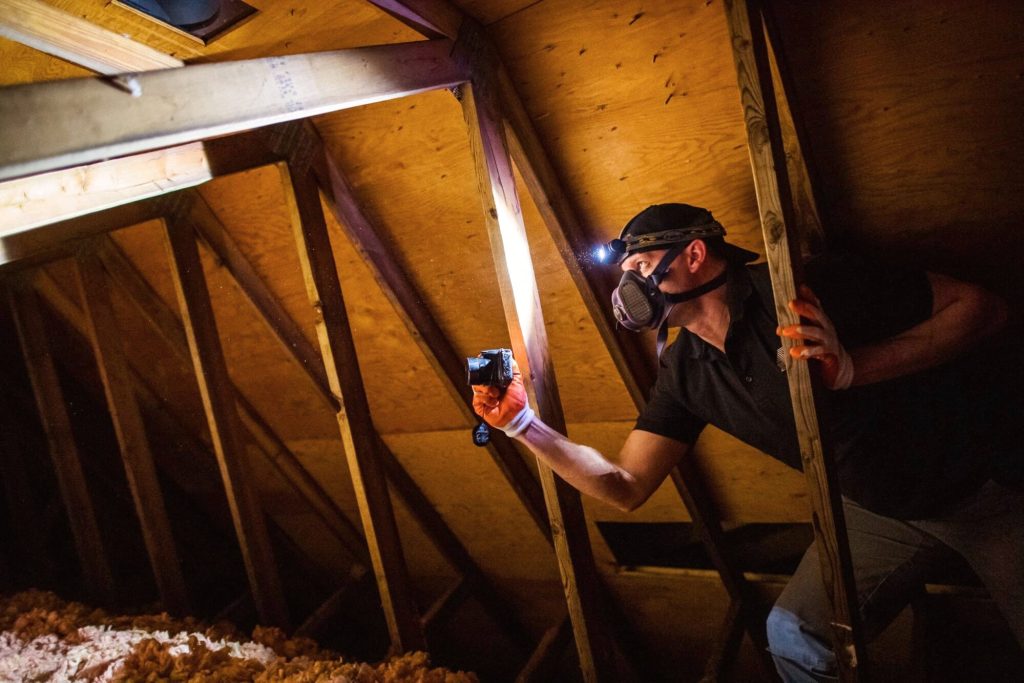
Many hidden moisture issues begin in areas homeowners rarely inspect closely. Bathrooms, crawl spaces, attics, laundry rooms, under sinks, HVAC systems, and wall cavities are all locations where moisture may remain trapped without immediate visibility. Over time, these conditions may contribute to staining, unpleasant odors, weakened building materials, and ongoing indoor environmental discomfort for occupants.
Thermal Imaging Helps Detect Hidden Conditions
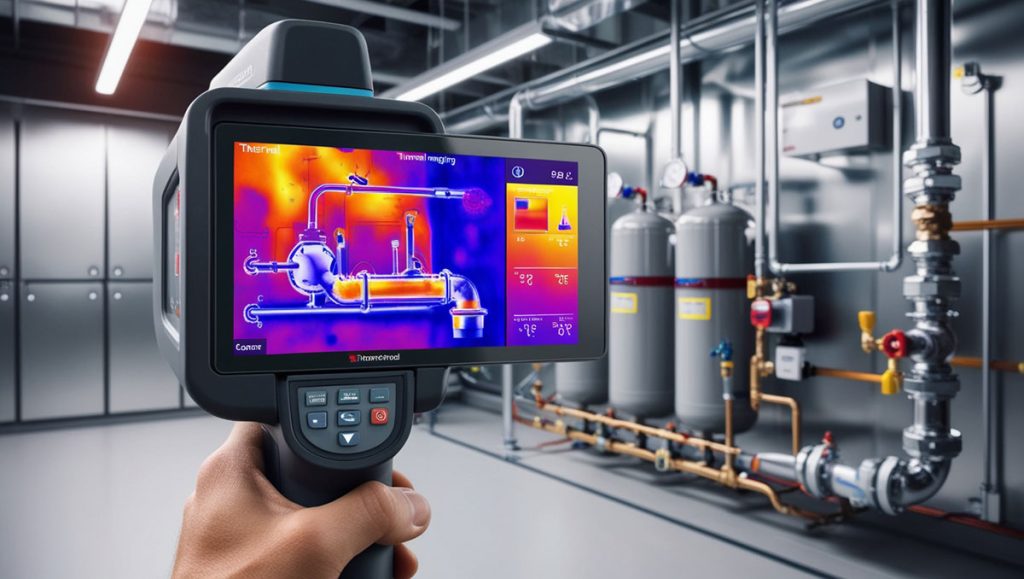
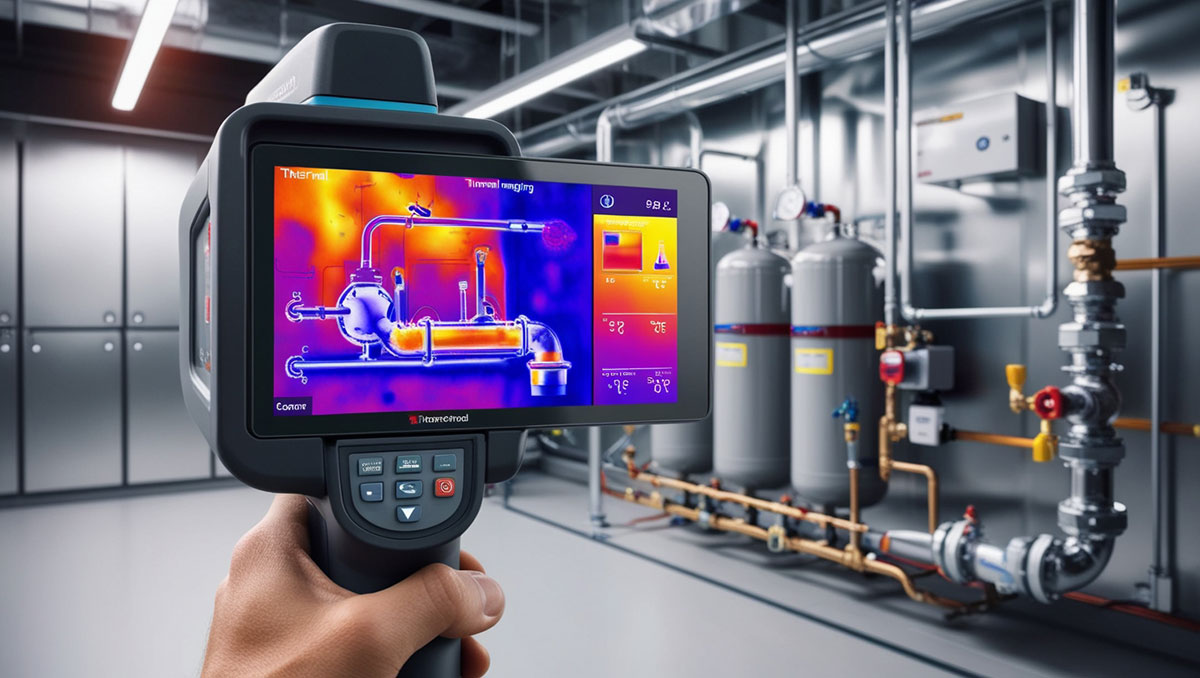
Modern inspection technology allows inspectors to evaluate environmental conditions more thoroughly without damaging walls or structural materials. Thermal imaging inspections use infrared cameras to identify unusual temperature variations that may suggest hidden moisture intrusion or airflow irregularities inside residential properties. This technology supports non-invasive evaluations while helping identify concealed areas requiring closer inspection.
Infrared imaging may reveal cooler or warmer patterns associated with hidden leaks, condensation buildup, ventilation deficiencies, or damp materials concealed behind finished surfaces. Since many moisture-related concerns remain hidden during standard visual inspections, thermal imaging provides additional environmental insight that may otherwise go unnoticed. Combining thermal imaging with moisture readings and airflow evaluations supports a more complete inspection process.
Moisture Readings Help Identify Problem Areas Earlier
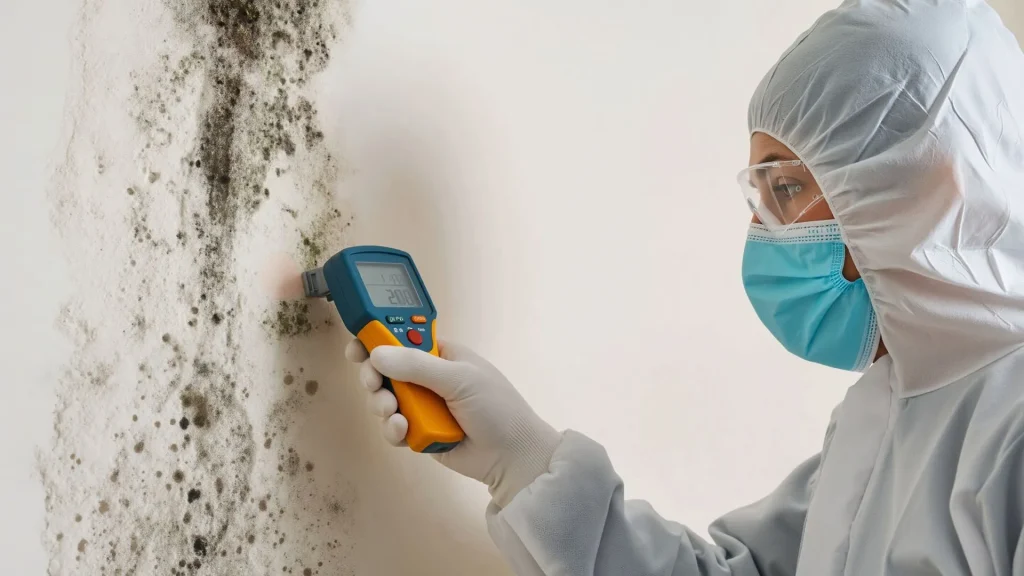
Moisture readings are an important part of identifying hidden environmental concerns before visible mold appears inside residential spaces. Specialized moisture meters are used to evaluate walls, ceilings, flooring, cabinetry, and other building materials for elevated moisture levels that may indicate concealed water intrusion or humidity-related problems. Early detection may help reduce the likelihood of more severe environmental complications later.
Many moisture concerns remain hidden because water intrusion can slowly spread behind finished surfaces without obvious warning signs. Identifying elevated moisture levels earlier helps homeowners better understand areas requiring additional monitoring, maintenance, or ventilation improvements while supporting organized environmental evaluations.
Poor Ventilation May Increase Moisture Retention
Ventilation plays an important role in maintaining balanced indoor environmental conditions throughout residential properties. Poor airflow circulation may allow humidity and moisture to remain trapped in enclosed areas, increasing the potential for mold-related environmental concerns. Bathrooms without proper exhaust systems, blocked vents, poorly ventilated attics, and enclosed storage spaces often experience higher moisture retention levels over time.
Airflow measuring services help evaluate ventilation performance throughout different areas of the property. Identifying restricted airflow or stagnant indoor air conditions helps homeowners better understand factors contributing to excess moisture accumulation. Improving ventilation and addressing hidden moisture concerns early may help reduce future environmental complications within residential living spaces.
Why Early Mold Inspections Matter
Waiting until visible mold appears may allow moisture-related conditions to continue spreading unnoticed throughout the home. Professional non-invasive residential mold inspections help evaluate environmental concerns earlier while minimizing unnecessary disruption to the property. Moisture readings, thermal imaging, air sampling, airflow evaluations, and detailed reporting all contribute valuable information regarding indoor environmental conditions.
Early inspections help homeowners, renters, and property buyers better understand hidden environmental concerns before they become more severe or expensive to address. Organized inspection reports also provide valuable documentation supporting informed maintenance decisions and greater awareness regarding residential indoor environmental quality.
Small Leaks Can Lead To Larger Property Concerns
Even small plumbing leaks or minor roof issues can create larger environmental concerns when left unresolved for extended periods. Slow water intrusion may gradually affect drywall, insulation, flooring materials, cabinetry, and surrounding structural components without immediately becoming visible. Because moisture often spreads quietly behind finished surfaces, property damage may continue increasing before homeowners recognize the issue.
Over time, unresolved leaks may contribute to persistent odors, elevated humidity, weakened building materials, and environmental conditions favorable for biological growth. Routine inspections and early environmental evaluations help identify smaller concerns before they become more serious and expensive property problems. Addressing moisture intrusion earlier may also help support healthier and more comfortable indoor living conditions.